There’s a lot of activity within the Pakistan team ahead of the Super 8 clash in the ICC T20 World Cup 2026.
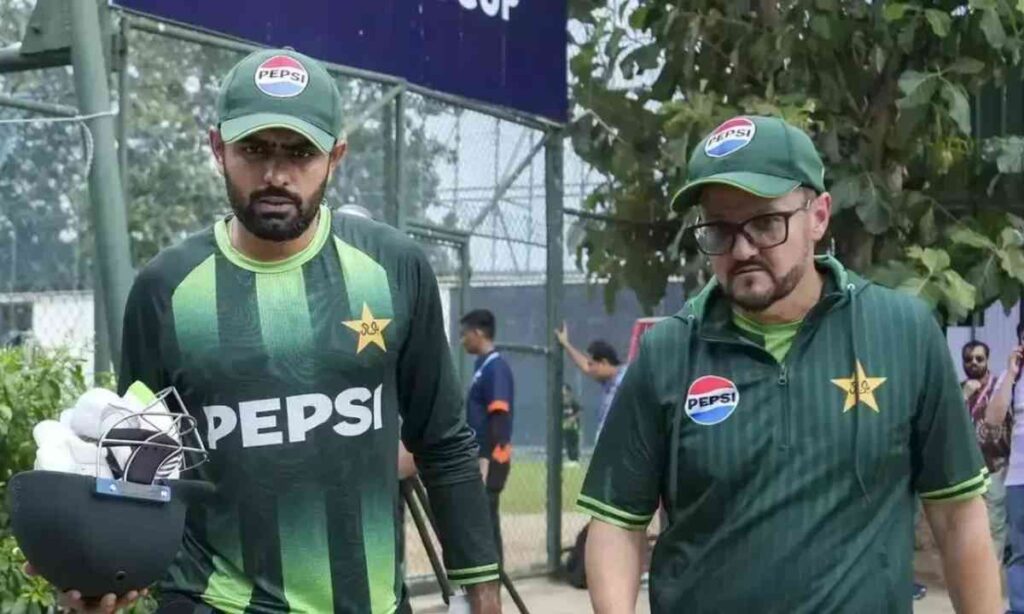
Before the match against New Zealand at the R. Premadasa Stadium in Colombo, head coach Mike Hesson spoke openly about captain Babar Azam’s strike rate, team role, and recent decisions.
His remarks made it clear that the team management will no longer shy away from making tough decisions.
Clear statement on Babar’s strike rate
Babar’s place in the team has been in question since his poor performance in the Australian Big Bash League. He scored only 202 runs in 11 innings and had a strike rate of 103.06.
His powerplay strike rate in the T20 World Cup is also in the news.
Hesson clearly stated, “Look, it’s the role the team requires, and Babar is well aware of that. I think he’s well aware his strike rate in the powerplay in World Cups is less than 100.”
He further added, “We think he’s a fine player through the middle if required, especially if we’re in a bit of trouble.”
In the match against Namibia, Babar wasn’t sent in his designated batting position. First, Khawaja Nafay and then Shadab Khan came in to bat. This decision generated considerable discussion, but the coach clarified that it was a move based solely on the team’s needs.
He said, “It was about roles, not a paradigm shift.”
Shaheen out, also responded to Rift
Another major decision in the Namibia match was the omission of fast bowler Shaheen Afridi. He had proven expensive in the match against India. Salman Mirza was given a chance in his place.
Hasson said, “We made a call that Salman Mirza was coming in for Shaheen, and he bowled incredibly well.”
Meanwhile, a video went viral showing an argument between the coach and Salman Ali Agha. Hasson clarified this as well.
He said, “I sent that video, and you guys got that completely wrong.”
And further added, “It had nothing to do with our conversation.”
Pakistan will now play against New Zealand on the same pitch where the Sri Lanka-Zimbabwe match was played.
The team management has made it clear that decisions will be made based on the players’ roles going forward, regardless of their size.
